Showing posts with label United States. Show all posts

Tuesday, December 20, 2011

Race and Well-Being


How much of an impact does racism have on a person's health? An excellent question which I have not considered yet but a group of researchers attempts to answer. In Race and Well-Being: The Lives, Hopes, and Activism of African Canadians, Akua Benjamin, David Este, Carl James, Bethan Lloyd, Wanda Thomas Bernard, and Tana Turner conduct studies of Canadians of African descent in three cities-- Halifax, Toronto, and Calgary. Each city is quite distinct in its population and size. Located in the Maritimes, Halifax is small city on the nation's east coast with a small percentage of visible minorities and largely Black Canadian (at least 3 generations in this country). Toronto is a large city with a predominantly Caribbean first- and second-generation population. Finally, Calgary is a mid-sized city with most of its African Canadians coming directly from the continent of Africa as students, working professionals, and refugees. Each of these groups of African Canadians is quite distinct but similarly they share experiences in Canada are as a racialized community in this country. Since those who immigrated from the Caribbean and Africa, came from countries in which they were not a visible minority and instead a majority, arrival in Canada has presented new challenges including racial stereotyping and racism in employment, education, housing, and media.

What drew me to this book was to find out if indeed there were links between the experience of racism and disease or illness? The answer is "yes", there do appear to be some links but this study shows them in very general ways, more so in general physical, psychological, mental, and emotional. A limitation of this study was that there were no specific diseases linked directly to racism. However, the participants surveyed in the study indicate that racial incidents cause tremendous stress and produce destructive effects on such factors as the family structures, self-esteem, relationships, career advancement, and economic productivity. Black-on-black violence is also discussed as a form of internalized racism which has devastating effects.

Race and Well-Being helped me to critically evaluate my own personal experiences with racism in Canada and evaluate them with a new lens. In some of these incidents, I was quite aware that they were prompted by racism. One example was when I had been stopped by police for "j walking" in Edmonton at night. This was scary since I was alone in a new city, touring my film festival, where I did not know anyone close. There were two police officers in a cruiser that slowed down beside me as I walked on the sidewalk. One asked me to show my identification which I did not have on me at the time (it was in the hotel). I knew this was a racialized incident since the large group of white youth who "j-walked" just before I did were not stopped. Plus, I have never heard of anyone stopped for "j walking" in Toronto, where I'm from. (I had "j walked" several times without worry. When I told the officer this, he laughed and said he had been to Toronto many times so he knows how things operate there. Jerk!) Then there was an incident when I was in the bus terminal in Calgary walking with a cart which contained my luggage and boxes (again full of films that I toured across Canada). A plain-clothes "officer" asked to see my identification and bus ticket. Aside from these two incidents, I have never been stopped "out of the blue" by police officers. However, both incidents took place in the same province, Alberta, in cities that are a few hours apart. Then there are the very blatantly obvious incidents of being called the n-word in elementary school, having eggs and objects thrown at my childhood home when we moved into a new neighbourhood, the children who said they could not be my friend because "I am Black", and the Grade 4 teacher who never picked me or dealt with a situation where I was constantly being called racist names and teasing by a classmate. I must admit that now as an adult, racial incidents such as these are much rarer but they often do occur on a more subtle level. I wonder now how these incidents may have impacted me since my childhood. Are they related to anxiety and depression that I have experienced in different periods of my life? Isolation in the school yard and not making friends in school? Feelings of insecurity? Feeling unattractive? "Diving" into books and academics instead of socializing?

Then there are other incidents that I look at with a renewed suspicion since it is sometimes challenging to know whether or not an incident was "racist". The secretary of the English department at the university told me, "She doesn't like Jamaicans," regarding a woman had spat on her. Was it the woman she didn't like or ALL Jamaicans (including myself)? And what events took place that would cause the Jamaican woman to spit on her? When my university professor wrote in my reflection journal that "he was not sure how I would fit in since I was so different" in my music class where I was the only person of colour. Was he being racist, prejudice, or just ignorant? Or when my English high school teacher asked me why Black boys were not succeeding in high school? Why was I at 18 being asked to be a spokesperson for my race? These were stressful situations but I have never considered the stress or impact such repeated incidents may have.

The challenge in Canada is that race-based stats are not kept on African-Canadians so we look to the US for health information about African-Americans. There are several differences between Blacks in both Canada and the US, for example Canadians tend to have hyphenated identities, e.g. Jamaican-Canadian, Ghanaian-Canadian which emphasizes first the country of origin first. Plus the Black population of Canada is largely immigrant and first- and second-generation while in the US it is largely indigenous. However there are some similarities between the groups in each country which include a history of enslavement, systemic exclusion, civil rights, segregation, racism, and restrictive immigration practices. Also, in the early years, talking 18th to early 20th centuries, most of the African migrants (escaped slaves, Black loyalists, settlers, etc.) to Canada came from the US. So what do the American statistics say? African-Americans are more likely to die from breast and prostate cancers than their White counterparts with the same diseases. In both Canada and the US, all non-White groups have increased rates of Type II diabetes. In Canada, this poses an increased challenge for medical care providers since they have only begun to recently provide health and dietary information that is more culturally specific. For example, a question like, 'How many fried dumplings, green bananas, and plantains can be consumed healthily?' would never been addressed for diabetic patients. So it's nice to know that we are moving toward more representative diets.

In my Sistah Vegan post, I mentioned Dick Gregory who is an African-American comedian, vegan, civil rights activist, and writer. I have listened to a few of his interviews on youtube and he provides excellent examples of how race, food issues, and health intersect to produce unhealthy conditions for African-Americans. He also frequently alludes to the US health care system not being set up to benefit Blacks. As I mentioned, I have a lot of relatives who are health care providers (i.e., anesthetic nurse, cytotechnologist, general nurses, osteopathic doctors, pharmacist, surgery, psychiatrics, pharmacist, physician assistant) in the US. It would be very interesting to get their views about being Black and a medical practitioner within this system.

Here is a sample of his thoughts:


How are these conditions similar or different to those in Canada? I am sure the First Nations peoples may find connections with their experiences as well.

The impact of racism on ones' being may take the form of increased depression and mental illness, substance abuse, and other ailments. The writers of the book have indicated the need for the World Health Organization (WHO) to include racism in one of the barriers to the social determinants of health in reference to the boundaries around access to resources, information, and health care race can produce.

Published in 2011, I am so excited to see such a recent example of written work that is pertinent to my experience as a Black Canadian. A book focused on the health of African-Canadians has many applications in service delivery and program development. For years, there have been books about gender and socioeconomic differences when it comes to healthcare. So I think it is long overdue to have a study that examines the differences of how racialized people experience health in Canada. As much as my gender, my race fundamentally affects the way in which I relate to and experience my world. Further study can look at how these and other factors intersect in one's well-being. Long overdue.

In the final chapter, the authors list ways in which the Black participants in the study have coped with racism: spiritual involvement (whether it be through church or mosque), community, activism, family, and education. Each of these means have sustained the participants but have had their own limitations as well. I feel very "hopeful" as I read about a philosophy I have become familiar with over the years with Paolo Freire's "pedagogy of hope" for oppressed peoples. By understanding one's history and condition, there are excellent opportunities for growth, hope, and creating a new reality. In addition, by building bridges with other peoples of colour, stronger alliances and networks are made to create positive change.

Coming Up Next: The Wealth Cure: Putting Money in Its Place by Hill Harper

Tuesday, November 29, 2011

Carnaval de Comida Latina (Vegan Photo Album 5)


La reyna de la salsa, Senora Celia Cruz (!Get down Celia! The late Celia Cruz performing live.)

I must admit that I am partial to vegan dishes particularly from Latin America and the Caribbean. My parents are from Jamaica which is located in the Caribbean so I grew up with a lot of transported/translated/improvised Jamaican dishes while growing up in Canada. The Latin American and Caribbean not only share similar histories, their food dishes are very similar with the use of staples including beans, rice, cornmeal, root vegetables (like cassava, potatoes), plantains, and hot peppers. Plus Jamaicans, including my great-grandmother, have been migrant workers in such Latin countries as Cuba and Panama for decades. What's sort of ironic now is that I have been to Cuba (a lifelong dream) but my most of my relatives, who now live in the US, cannot visit Cuba legally. (Cuba and Canada have a great partnership.) In Latin cuisine there is so much variety and there are great chefs like Terry Hope Romero in Viva Vegan!: 200 Authentic and Fabulous Recipes for Latin Food Lovers who have adjusted traditional dishes sin carne (without meat). I had the pleasure of meeting Terry Hope Romero and attending her cooking demonstration in September. For more on meeting Terry Hope and a review of this cookbook, click here.

I decided that my latest vegan photo album would be a tribute to vegan dishes from Central and South America. I loved the diversity and familiarity of dishes with a unique spin. I wish to have posted photos of more food dishes but many of the recipes I encountered are time consuming and to access some ingredients, it required a number of visits to different neighbourhood bodegas, supermercadas, and other Latin food stores which I could totally relate to when I have to search for ingredients at specialty Caribbean food markets. However I will continue to photos of Latin dishes I prepare in this Vegan Photo Album (Carnaval de Comida) on a ongoing basis. (I can't wait to make some empanadas, churros, pupusas, chorizos, and flan con leche.) In the meantime, enjoy some beautiful plant-based eye candy.

Arroz con Seitan
Traditionally made with pollo (chicken), this dish "lets the chicken cross the road for yet another day". The recipe for the seitan I used was from another cookbook, Vegan on the Cheap. (I'm allowed to do that. It's a quick easy seitan recipe.)

This dish requires sofrito which is a flavourful mix of onions and green peppers.


The seitan is marinated with lime juice and olive oil so it has tang.


Olives are added in with the seitan and other ingredients. You can add capers if you like.


This is an extremely scrumptious dish.


Pastel de Choclo (Creamy Corn-Crusted Tempeh Pot Pie)
I watched Terry Hope make this in a cooking demonstration at the Toronto Vegetarian Food Festival. This is a traditionally Chilean meat and corn dish which I was introduced to by an ex years ago. I was glad to be re-introduced to it with Terry Hope in its meatless form. Terry Hope's demo was so quick and she did a lot of prep so it went by a lot quicker than when I made it.

Here the corn topping is being blended.


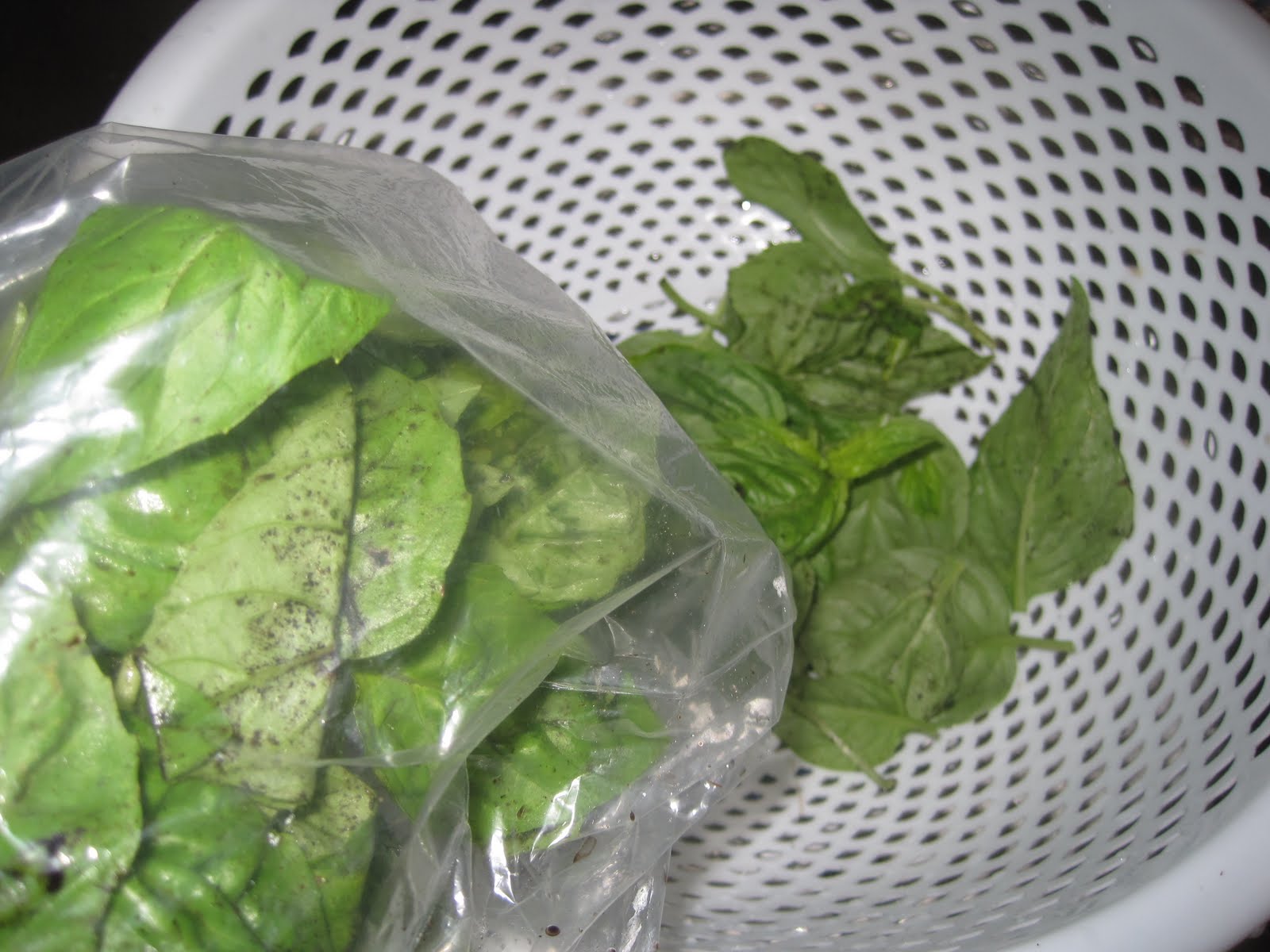
Lots and lots of fresh basil.


The components of pastel de choclo consist of the corn topping and the tempeh filling which contains raisins and olives. (Yippee!!!!) Terry says that it gives the dish a flavour combination of salty-sweet which is typically Latin.


Layer and sprinkle with sugar.


!Comelo! (Eat it!) It's so good! Warm, comforting, and so filling.


Portobello Feijoada (Brazilian Black Bean Stew with Portobello Mushrooms)
As I mentioned in previous posts, my fiance and I are "big" on Brazilian culture. He currently plays mostly Brazilian music so when a friend of his and fellow musician originally from Recife (known as Brazil's Venice and birthplace of frevo and Mangue beat) came over, I showed him the feijoada I made. He told me that feijoada is the name Brazilians give to black beans and it is traditionally served in a sort of buffet-style so folks can combine a number of different food items in a variety of ways. This dish from Vida Vegan is obviously an improvisation on the traditionally Brazilian-approach.

First start off with a pot of cooked black beans.


Then blend about half to add texture to the resulting stew.


Cook seitan and portobello mushrooms.


Mix mashed mashed and whole beans in with stock.


Que delicioso.


Spicy Tortilla Casserole with Roasted Poblanos
WARNING: This dish contains many types of heat- poblano chiles and jalapeno chiles. It has a bit of a vibe of enchilada and lasagna combined. Pine Nut Crema is the nice topping which gives it a "cheezy vibe". I used canned poblano chiles before I knew you could buy fresh ones at a Latin supermarket. When I roasted the canned poblanos, they turned out not ideally.


Pine Nut Crema has a "cheesy, creamy" taste and really makes this dish rock.


Covered in toasted pepitas (pumpkin seeds)


Annatto-Infused Oil (Aciete de Achiote)
Give it up for the annatto oil which is featured in many of these dishes. It is made by soaking annatto seeds in olive oil over heat until it reddens. It's supposed a slightly nutty flavour but it still tastes like olive oil to me.


Creamy Potato Peanut Stew (Guatita)
Terry Hope describes this dish as a riff on the guatita, a hearty popular stew in Ecuador and Chile. It tastes good to me. I used TVP chunks so it was chewy, mild, and slightly spicy.


Potato-Chickpea Enchiladas with Green Tomatillo Sauce
Un tomatillo. ?Que es un tomatillo?


Before cooking this dish, I thought I knew what a tomatillo was. I had tried tomatillo sauce but I had never actually seen a tomatillo. I used to think tomatillos were the same as tomatoes or even unripe tomatoes but they are neither. Tomatillos are in a class of their own. They smell different, look different, and taste different.


Rice with Pigeon Peas (Arroz con Gandules)
This is a great example of the overlap with Jamaican cuisine. I am familiar with pigeon peas which are one of my favourite peas/beans. (My other favourite peas/beans are cow peas.) I am used to eating pigeon peas or gandules with rice and gravy so of course I was excited to prepare this dish but with a Latin spin. I made it with peas I bought dry from the Caribbean store however they can be bought frozen. (I've never had them this way.) They are so nutty and tasty.


Quick Red Posole with Beans
Always be weary when a cookbook indicates that a dish is "quick". This is only in the eyes of the cookbook writer. I would say that this dish was quick-ish. I enjoyed using the posole which is also known as hominy corn. I was introduced to hominy corn by a Jamaican co-worker who made it into the most awesomest, comforting, sweet porridge I ever tasted. (We, Jamaicans, love our porridge.) Posole, as it turns out, can also be used in a stew in which I put on top of some tortilla chips. Yum! The dish was okay but I needed to cook those black beans down longer so they were nice and mushy.


Green Posole Seitan Stew with Chard and White Beans
Here is posole prepared another way. I think this way is a more nutritious way (and more time-consuming way).
The tomatillo sauce is prepared first in a blender.

Then it is cooked.

This is the seitan before it is cooked.

Then the seitan is cut up and

cooked so that it is in the consistency of sauteed beef.

Everything comes together but at the last minute I forgot the Swiss chard which I had to go back and add.

My fiance prepared these rockin' tortillas by baking them just right in oil so that they were crispy and perfect for the green posole. Definitely this is one of my favourite meals on this page.


Buttery Cookies with Thick Dulce de Leche Filling (Alfajores)
The photos of these cookies look amazing but I am sorry to say that I am disappointed with this dish. Don't get me wrong, my fiance thought they were delicious and couldn't get enough but I thought they were... meh... You have to see where I'm coming from. I love alfajores so much. I like to go to Kensington Market or wherever I see them and purchase them. Imagine the taste of shortbread cookies smothered in a thick layer of creamy caramel... good. That's what I imagine too but sometimes the vegan-version does not taste as great. This version had a lemony taste which I could have done without. Plus the recipe I used did not make nearly enough dulce de leche to spread between each cookie sandwich. Again, my fiance loved these cookies. To each their own.


This is my second batch of grated coconut browned in a pan. (I burned the first one since coconut cooks really quickly.)


Cubano Vegano Sandwich
What a tasty sandwich! Although my fiance was skeptical, he loved it completely. It's tasty, hearty, and full of that protein-kick that most people think you can only get from meat. I enjoyed it but so wish to have a panini sandwich press which would totally make the sandwiches work. Terry Hope recommends a brick wrapped in aluminum foil but where is a girl living in urban Toronto supposed to find that. I am not just going to take any random brick (READ: dirty, unsanitary, filthy) and place it on my food. So I made the sandwiches without the press and brick and...


this is what happened. The sandwich burned in the oven while they were grilling for less than 5 minutes.

Thankfully my fiance scraped off the burned part. Why make good food go to waste?


Coconut Tres Leches Cake
I tried a slice of this cake at Chimichanga restaurant for a past birhtday and it was... meh... but it sounded so good. Not only could you have cake with one milk, but three milks? 3 Milks? Not only was the restaurant version anti-climactic but it was totally over-priced. $9 for a slice of cake? Not unless it's laced with gold flecks and semi-precious stones. So, in commemoration of my 25,000th page view, I decided to make a vegan Tres Leches Cake to celebrate-- allbeit weeks after the fact. I hope it tastes good because it is still in the fridge so the topping could set. The three milks used were soy milk, almond milk, rice milk, and... coconut milk. Oops, that's four milks. The cake has a likely Nicaraguan origin. It took two days to make this cake.

Day One: Bake cake and create soaking syrup. The syrup took forever since it would not thicken and I kept on having to add rum. (Pity!) I used Jamaican rum, Wray & Nephew. Refrigerate overnight.


Day Two: Topping takes even more time to prepare.


25, 000 page views is definitely worth celebrating.

This is the best cake I have ever made and quite possibly the best I have ever tasted. Amazing! Caramel, coconut, and the Caribbean in one bite. The rum combines with a unique sweetness.


Here are some close-ups of another slice.