Wednesday, December 28, 2011

VegNews TV: A Vegan Tour of Toronto


I'm a big fan of VegNews magazine so of course I was ecstatic that they came to Toronto to show us some love. I have been to many of the restaurants that Jasmin Singer and her crew visited in the video including Hogtown Vegan and One Love which I have reviewed on this blog. By the way, there are a lot of vegan establishments if you live in the downtown Toronto neighbourhoods like the Annex, Riverdale, Kensington Market, and Queen West. It would be totally AWESOME if you could also easily find vegan food establishments in the eastern, northern, and western ends of the city (big up Scarborough, North York, and Etobicoke).

City of Toronto Map (the light blue area is old Toronto)


Nevertheless, in Toronto, we are pretty blessed to have the variety of vegan restaurants available. I will never take for granted the fact that our street food vendors always sell veggie dogs.

Monday, December 26, 2011

Funky Sexy Manifesto #57 Do a Speaking Gig Part 3

On October 22, 2011, I delivered a speech about the use of art through my cancer journey at the Art for Cancer Foundation fundraiser which was hosted by its founder, Cid Palacio. I have written about this organization on a few occasions including my participation in an Art for Cancer painting workshop. I am glad that I had the opportunity to give back through this speaking engagement.

Here is a video of the event:


The Nadia print from the Warrior Series


A fellow survivor Ray (acute lymphoblastic leukemia) also attended the event. It was so nice to spot his familiar face.

Sunday, December 25, 2011

Merry Christmas!!!!

For all of you who celebrate, I wish you a very Merry Christmas this year!

These are all the ways I know to say Merry Christmas.

Joyeux Noel!
Feliz Navidad!
Buon Natale!
Froliche Weinachten!
Kali Kristyena!
Mabuhay Ka!
Quan Deng Fai Lo!

Irie I'smas?


Jacob Miller and Ray I- WE WISH YOU A MERRY CHRISTMAS [REGGAE CHRISTMAS STYLE]

In my household growing up, no Christmas seemed complete without playing songs from the Jacob Miller Christmas album. It wasn't until I was an adult that I figured out what he was holding in his sack. As a child, I thought there were flowers in that sack. However, as an adult, I came to realize those were not flowers! I also developed an adult "crush" on Jacob Miller. Unfortunately, he died in 1980 from injuries sustained in a car accident in Kingston, Jamaica. A note of trivia, he died at the age of 27 like Amy Winehouse (in 2011), Jimi Hendrix, Janis Joplin, Jim Morrison, Jean-Michel Basquiat, and Kurt Cobain.

I particularly agree with the "broke pocket" part of the song. Having just finished reading The Wealth Cure, I wish to make a renewed commitment to work out my finances. I don't think at any other point in my life have I felt so "broke ass" at Christmas. (Since I switched from full-time to part-time work in November, it is taking a while for the pay to catch up. So my last pay, just 3 days before Christmas, was literally: $0. My pay prior to this was 1/3 of my regular pay. Why am I putting this information on the Internet? Because it is the truth and I like to write about the truth and I hope to share with you what I learned from this experience.) It was a lot different when I was a child since I didn't have to worry about rent, car payments, student loans, and groceries. When I was younger, I had a lot of time to invest in making my Christmas presents. This year, I am much more aware of not being able to afford to buy gifts.

Being away from work for seven months, returning to full-time for a bit, and then deciding to switch to part-time for health reasons, I know that I could have done a better job of managing my finances during those fluctuations so that my current situation would not be so "broke". I could blame it on the cancer for screwing with my health, my energy levels, my priorities and budget... a bit of a "hot mess". The wonderful thing about life is that you can start again and in so many ways, I am "rich". For this, I am thankful.

I can express gratitude for many things in my life. I am thankful for my health and blessed to have family and friends with whom to share this Christmas. I am thankful that I have some vacation time to rest, take care of my business, and spend with my loved ones. Lastly, although I will not be buying gifts this year, I am so happy that I can share and give of my talents to my loved ones like cooking some awesome vegan dishes, spending time with my baby nephew, sending e-mails of "good cheer", making some gifts over the holidays, and writing.

I am also thankful for my faith. I believe that all things will work out for good. I end this post with a quote from Hill Harper's acknowledgments in The Wealth Cure:

God is the creator of all things (including wealth) and when it comes to acknowledging the gratitude in my heart, for me, it starts with God, from whom all blessings flow. Without guidance, love, and support from my Creator-- this creation would not exist.

Saturday, December 24, 2011

The Wealth Cure


Is it weird to embrace a book? I want to give Hill Harper and his book a big hug. It is so rare that a book is written straight from the heart and touches my own. I almost didn't read The Wealth Cure: Putting Money In Its Place by Hill Harper this week. With all of the busyness, parties, and celebrations that occur during the holiday season, I was not looking forward to reading a hefty book about financial planning but then I decided to at least read the introduction of The Wealth Cure and I was immediately drawn in. This is not your typical book about money. First of all, in my post Hill Harper: Renaissance Man and Thyroid Cancer Survivor, I announce that Hill discovers the first signs of his illness at the end of the film shoot for For Colored Girls and writing a book about finances. (By the way, I am ready to watch For Colored Girls now. I will watch it over my Winter vacation.) Hill woke up one morning not being able to swallow. He telephoned a trusted doctor to examine his neck. He was sent for an ultrasound and fine needle biopsy. He had three cancerous nodules discovered in his thyroid. Hill Harper was no stranger to cancer-- he was a caregiver for his father who passed away years prior from pancreatic cancer. Cancer also took the lives of his uncle and grandfather. Naturally, he was scared to now have this diagnosis. Being the Renaissance Man he is, Hill used the cancer as an opportunity for growth. In fact, he talks about financial growth as a metaphor for a cancer treatment plan, something he calls The Wealth Cure-- "a return to some fundamental values that have been discarded". The Wealth Cure is divided into five parts:

The Diagnosis
Treatment Options
Compliance: Sticking with a Treatment Plan
Maintaining Your Health and Wealth
Masterminding: Thrive and Survive
Life Account Versus Bank Account


The Wealth Cure describes a journey consisting of The Wealth Factor. The Wealth Factor is a personal list to make oneself "unreasonably happy". The "story" of The Wealth Cure takes place on a train from Los Angeles to Chicago in which Hill in the days leading up to his surgery, he writes his book reflecting on financial management while meeting interesting people along the way. I love books that draw me in through story, not just a series of facts. I also love trains. I have traveled throughout eastern Canada alone on a train and used to travel for free thanks to the fact my father worked for ViaRail, a Canadian passenger train company. Through personal discoveries about his own financial blunders in real estate investments and stock, evolving attitude about money, encounters with new and old friends who reformed their lives along the way, and inspirational quotes, The Wealth Cure for me continues where The Alchemist and The Monk Who Sold His Ferrari left off. Harper applies the basic and important values for existence-- simplify your life, clear your debts, "follow your passion and the money will follow", invest in yourself first and then in some solid financial practices (mutual funds, CDs, emergency funds, retirement savings, etc.) There are a lot of nuggets of wisdom in this book that I will take and put into practice. I realize that I have done some of Hill's suggestions already.

First of all, after completing his degrees from Harvard Law and graduate school, Hill Harper decided to pursue his dream of becoming an actor. With $60, 000 in student debt, he was an "overeducated waiter" at night so he could attend auditions in the day. I admire his vision despite this difficult period. He was given excellent advice from his grandfather to pursue what he loved to do. "Don't pursue law for the money." His Uncle Frank told him, "If you are making any decisions solely based on money, then it is the wrong decision." To receive that advice from an elder is such a golden opportunity. As a result, Hill pursued acting and it has become a very fruitful career, eventually paying him even more than what he would have made as a lawyer. Even as a waiter, he did not do a "half assed" job and strived for his best. He has applied this value to other areas of his life.

Secondly, he wrote about Mastermind circles. When I read that word, I immediately thought "illuminati"/secret society but that is not a complete definition. In fact, I realized that I used and continue to use Mastermind circles during my cancer journey. A Mastermind Circle is a "resource", a "collective brain", "a group of people that gets together to brainstorm or to give support to one another" with a single purpose "to forward the careers and/or business objectives of every member of the group." I have used this approach during my cancer journey through e-mail chains with my relatives, facebook, posts on this blog, connecting with my friends and family, and attending support groups including the Young Adult Cancer Canada Retreat and Conference.

Thirdly , follow your heart is one of my mantras. Although, Hill explains that being at the right place, the place that feels right, the right person, the right decision are not synonymous with "easy". He writes:

The right place is not always the easy place; the right person is not always the person who is easiest to be with; the right decision is not always the one that's easiest to carry out.

Ashe!

The only discrepancy I can find in this book is with what Hill Harper shares about his diagnosis of follicular thyroid cancer. There are some inaccuracies. Follicular represents about 10-20% of thyroid cancer cases. I had papillary which accounts for 75-85% of cases. Follicular and papillary are often grouped together and called "differentiated thyroid cancer". In the section called North Star, he spoke to his doctor about his condition. Here's an abbreviated and slightly edited version of the conversation:

"Hill, we believe you have thyroid cancer. And it looks to be follicular-- the worst kind," the endocrinologist (Endo) said.

"What the hell is follicular, Doc?" [Hill] said as [he] tried to deflect the idea of even having cancer.

"It's the type of cancer you don't want to have," he responded.

The Endo here is in the wrong. I hate ranking cancers but if he is going to, please get things straight. The differentiated thyroid cancers are the more treatable and curable forms. Medullary, anaplastic, and undifferentiated are more difficult to treat, hence "worst" if you wish to go there. On the following page, Hill's friend Tracey who recently lost her husband to cancer says she has "seen worse" after reading the author's medical report. In the final chapter, Forming Your Mastermind Circle, Hill says to his friend Sean, "Thyroid cancer is the best kind to have. It's treatable. I know I'll beat it." I love his optimism however the "ranking of cancers" does not account for the experience of every thy'ca survivor. Thyroid cancer experiences are so individual. Some people have to go through multiple surgeries with severe scarring, vocal chord paralysis, years of recurrences, spread of the cancer to other areas of the body including lymph nodes, salivary glands, lungs, and brain, complications added to other health conditions, depression, repeated radioactive isolation, other cancers, the impact on relationships, and a host of other side effects inlcuding death. Please Hill, don't lump "thyroid cancer as the best". It negates the experience of the thousands of people who experience it each year.

Nevertheless, I am happy to say that Hill Harper's surgery was a success. I would love to interview him one day and I think I will try to send him an e-mail with a review of his book. Hill Harper is a man who seems true to his words, whole-heartened, and sincere. Along with his successes, I hope he finds the kind of love and family that he admits to wanting.

Like Rob Hawke's Kicking Cancer's Ass, it is nice to find a book by a thyroid cancer survivor. (It's so rare!) Go out and buy this book! You'll understand cancer survivors better, experience personal growth, and grow your bank account.

Coming Up Next: Writer With a Day Job: Inspiration & Exercises to Help You Craft a Writing Life Alongside Your Career by Áine Greaney

Tuesday, December 20, 2011

Race and Well-Being


How much of an impact does racism have on a person's health? An excellent question which I have not considered yet but a group of researchers attempts to answer. In Race and Well-Being: The Lives, Hopes, and Activism of African Canadians, Akua Benjamin, David Este, Carl James, Bethan Lloyd, Wanda Thomas Bernard, and Tana Turner conduct studies of Canadians of African descent in three cities-- Halifax, Toronto, and Calgary. Each city is quite distinct in its population and size. Located in the Maritimes, Halifax is small city on the nation's east coast with a small percentage of visible minorities and largely Black Canadian (at least 3 generations in this country). Toronto is a large city with a predominantly Caribbean first- and second-generation population. Finally, Calgary is a mid-sized city with most of its African Canadians coming directly from the continent of Africa as students, working professionals, and refugees. Each of these groups of African Canadians is quite distinct but similarly they share experiences in Canada are as a racialized community in this country. Since those who immigrated from the Caribbean and Africa, came from countries in which they were not a visible minority and instead a majority, arrival in Canada has presented new challenges including racial stereotyping and racism in employment, education, housing, and media.

What drew me to this book was to find out if indeed there were links between the experience of racism and disease or illness? The answer is "yes", there do appear to be some links but this study shows them in very general ways, more so in general physical, psychological, mental, and emotional. A limitation of this study was that there were no specific diseases linked directly to racism. However, the participants surveyed in the study indicate that racial incidents cause tremendous stress and produce destructive effects on such factors as the family structures, self-esteem, relationships, career advancement, and economic productivity. Black-on-black violence is also discussed as a form of internalized racism which has devastating effects.

Race and Well-Being helped me to critically evaluate my own personal experiences with racism in Canada and evaluate them with a new lens. In some of these incidents, I was quite aware that they were prompted by racism. One example was when I had been stopped by police for "j walking" in Edmonton at night. This was scary since I was alone in a new city, touring my film festival, where I did not know anyone close. There were two police officers in a cruiser that slowed down beside me as I walked on the sidewalk. One asked me to show my identification which I did not have on me at the time (it was in the hotel). I knew this was a racialized incident since the large group of white youth who "j-walked" just before I did were not stopped. Plus, I have never heard of anyone stopped for "j walking" in Toronto, where I'm from. (I had "j walked" several times without worry. When I told the officer this, he laughed and said he had been to Toronto many times so he knows how things operate there. Jerk!) Then there was an incident when I was in the bus terminal in Calgary walking with a cart which contained my luggage and boxes (again full of films that I toured across Canada). A plain-clothes "officer" asked to see my identification and bus ticket. Aside from these two incidents, I have never been stopped "out of the blue" by police officers. However, both incidents took place in the same province, Alberta, in cities that are a few hours apart. Then there are the very blatantly obvious incidents of being called the n-word in elementary school, having eggs and objects thrown at my childhood home when we moved into a new neighbourhood, the children who said they could not be my friend because "I am Black", and the Grade 4 teacher who never picked me or dealt with a situation where I was constantly being called racist names and teasing by a classmate. I must admit that now as an adult, racial incidents such as these are much rarer but they often do occur on a more subtle level. I wonder now how these incidents may have impacted me since my childhood. Are they related to anxiety and depression that I have experienced in different periods of my life? Isolation in the school yard and not making friends in school? Feelings of insecurity? Feeling unattractive? "Diving" into books and academics instead of socializing?

Then there are other incidents that I look at with a renewed suspicion since it is sometimes challenging to know whether or not an incident was "racist". The secretary of the English department at the university told me, "She doesn't like Jamaicans," regarding a woman had spat on her. Was it the woman she didn't like or ALL Jamaicans (including myself)? And what events took place that would cause the Jamaican woman to spit on her? When my university professor wrote in my reflection journal that "he was not sure how I would fit in since I was so different" in my music class where I was the only person of colour. Was he being racist, prejudice, or just ignorant? Or when my English high school teacher asked me why Black boys were not succeeding in high school? Why was I at 18 being asked to be a spokesperson for my race? These were stressful situations but I have never considered the stress or impact such repeated incidents may have.

The challenge in Canada is that race-based stats are not kept on African-Canadians so we look to the US for health information about African-Americans. There are several differences between Blacks in both Canada and the US, for example Canadians tend to have hyphenated identities, e.g. Jamaican-Canadian, Ghanaian-Canadian which emphasizes first the country of origin first. Plus the Black population of Canada is largely immigrant and first- and second-generation while in the US it is largely indigenous. However there are some similarities between the groups in each country which include a history of enslavement, systemic exclusion, civil rights, segregation, racism, and restrictive immigration practices. Also, in the early years, talking 18th to early 20th centuries, most of the African migrants (escaped slaves, Black loyalists, settlers, etc.) to Canada came from the US. So what do the American statistics say? African-Americans are more likely to die from breast and prostate cancers than their White counterparts with the same diseases. In both Canada and the US, all non-White groups have increased rates of Type II diabetes. In Canada, this poses an increased challenge for medical care providers since they have only begun to recently provide health and dietary information that is more culturally specific. For example, a question like, 'How many fried dumplings, green bananas, and plantains can be consumed healthily?' would never been addressed for diabetic patients. So it's nice to know that we are moving toward more representative diets.

In my Sistah Vegan post, I mentioned Dick Gregory who is an African-American comedian, vegan, civil rights activist, and writer. I have listened to a few of his interviews on youtube and he provides excellent examples of how race, food issues, and health intersect to produce unhealthy conditions for African-Americans. He also frequently alludes to the US health care system not being set up to benefit Blacks. As I mentioned, I have a lot of relatives who are health care providers (i.e., anesthetic nurse, cytotechnologist, general nurses, osteopathic doctors, pharmacist, surgery, psychiatrics, pharmacist, physician assistant) in the US. It would be very interesting to get their views about being Black and a medical practitioner within this system.

Here is a sample of his thoughts:


How are these conditions similar or different to those in Canada? I am sure the First Nations peoples may find connections with their experiences as well.

The impact of racism on ones' being may take the form of increased depression and mental illness, substance abuse, and other ailments. The writers of the book have indicated the need for the World Health Organization (WHO) to include racism in one of the barriers to the social determinants of health in reference to the boundaries around access to resources, information, and health care race can produce.

Published in 2011, I am so excited to see such a recent example of written work that is pertinent to my experience as a Black Canadian. A book focused on the health of African-Canadians has many applications in service delivery and program development. For years, there have been books about gender and socioeconomic differences when it comes to healthcare. So I think it is long overdue to have a study that examines the differences of how racialized people experience health in Canada. As much as my gender, my race fundamentally affects the way in which I relate to and experience my world. Further study can look at how these and other factors intersect in one's well-being. Long overdue.

In the final chapter, the authors list ways in which the Black participants in the study have coped with racism: spiritual involvement (whether it be through church or mosque), community, activism, family, and education. Each of these means have sustained the participants but have had their own limitations as well. I feel very "hopeful" as I read about a philosophy I have become familiar with over the years with Paolo Freire's "pedagogy of hope" for oppressed peoples. By understanding one's history and condition, there are excellent opportunities for growth, hope, and creating a new reality. In addition, by building bridges with other peoples of colour, stronger alliances and networks are made to create positive change.

Coming Up Next: The Wealth Cure: Putting Money in Its Place by Hill Harper

Vex in the City: Part 18 Fresh

Taste of the food >< >< >< >< Very good. Fresh always comes out on top when it comes to taste.
Look of the food >< >< >< >< The presentation of the food is always well-done. It looks tasty, bright, and healthy.
Environmentally-Responsibility >< >< >< >< >< There is reuseable cutlery, plates, cups, and utensils. There is a section on their website called Sustainability which describes their environmentally responsible practices by 1) using biodegradable and compostable take-away containers, 2) cooking oils that are recycled for biodiesel purposes, 3) wastes that are composted or recycled when possible, 4) recycled paper products, and 5) biodegradable environmentally safe cleaners.
Health Savvy >< >< >< I did not see any print or online material about the benefits of eating food at this restaurant. However, I like that the vegetable juices, shakes, and beverages are available. There are also E3 Live shots and Elixirs which are described in the menu with a number of health benefits.
Hospitality/Warmth >< >< >< >< >< The staff was very friendly. Since this a large eatery, there is a host and then a team of waiters so you do not sit for long without service.
Décor/Vibe >< >< >< >< >< The decor was very modern and funky. Compared to the decor of the old location, I love the use of orange, green, blue, and accents of purple. See the cover of the cookbook below to get a better idea of what the inside looks like.
Added Perks >< None. They did not know I was doing a restaurant review.
Ethical and Community-Minded >< >< >< >< There is a bit of information where groups and communities could place some information. Plus, they have a website a

Price (for a main course)
$0 - $9 to $30 - $39 It really depends what you order and eat.

I used to go to Fresh a-l-o-t. Too many times to count. My boyfriend (currently my fiance) and I would go there and each time and order the same thing. He would have the Buddha Bowl and I would eat Dosas. We loved their sweet potato fries, their cashew cookies, and he would always order one of their overpriced juices. I would always think that they were overpriced since I knew I could make the same thing at home a lot cheaper but so is the experience of eating at a restaurant. There came a time when we went to Fresh so much that we got tired of it. All the food began to taste the same.

Years and years ago, I purchased their cookbook for $15 which was a wise investment. This was my first foray into vegetarian cooking. At the time, I found the recipes long, complicated, cumbersome (I like that word), and overwhelming. (I have come a long way since then.)

It had been a few years since my last Fresh visit. In fact, since I became vegan this year, I went to Fresh three different times. Bragging three locations in Toronto (I've only been to one), Fresh has become an institution of great plant-based cuisine. It is also probably the easiest "crossover" menu for the non-veg crowd. (Many of my non-vegan friends have been to Fresh.) I noticed a few changes. First, the menu was expanded to include a wider variety of items. Second, they have a lot more vegan-friendly items. Third, I missed their food, the taste, and variety. On each of my three visits, I had difficulty selecting an item from their menu. Fresh is definitely a must-visit eatery if you are ever in Toronto.

Visit One
I met up with a friend to catch-up in the summertime.


My friend had this fruit juice which I do not remember what it was but she loved it.

I had the All Green juice which was very refreshing and tangy.

The infamous cashew cookie.


Visit Two
Breakfast of Champions. I had a wonderful brunch with survivors to say goodbye to Agnes who is moving across the country. I will miss you Agnes.
The Blueberry Almond Pancake Platter

The Banana Nut Pancakes

I had The Full Breakfast. It was very delicious. The scrambled tofu was amazing and I loved the veggie sausage.


Visit Three
This was from a visit with my fiance and Cid Palacio of the Art for Cancer Foundation. This was Cid's first visit to Fresh.
The Detoxifier juice

I had the Mushroom Onion Burger with Daiya cheese. It tasted very good but they could have melted the Daiya cheese before serving it to me. I could have sent it back but had it just the same. I enjoyed the slaw on the side as well as the yummy sweet potato fries.

The infamous Buddha Bowl.

The amazing vegan carrot cake,

Not to be outdone by the cashew cookie.


The latest Fresh cookbook which shows the interior of the Annex location that I visited.

Monday, December 19, 2011

Funky Sexy Manifesto # 17 Read One Book Each Month

(This photograph of an African-American girl pictured is dated in the Construction period which is post-slavery. However this image reminds me of my mother in rural Jamaica, complete with plaits and ribbons in her hair almost one hundred years later.)


I love to read A-L-O-T. As a child, I remember reading books on summer vacations and March Break. My father would take my sister and I to our local library where we would load up on a weekly dose of books. Eventually, there was a Bookmobile (a library on wheels) that came to my neighbourhood and I would search it for great finds. I would often order books from other libraries too.

First, I had an obsession with reading books about countries and people from around the world. I loved to memorize facts, greetings, populations, flags, and capital cities. I loved atlases and maps. My parents had a few at home and I would use pencil and paper to copy facts and state capitals of the US.


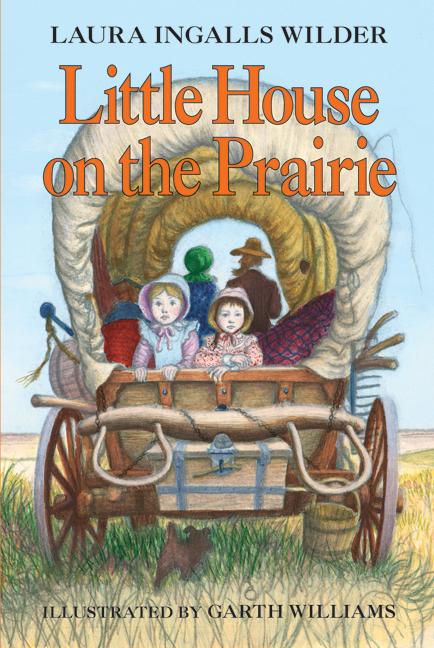
As I approached my middle years, I started to read "The Little House on the Prairie" series by Laura Ingalls Wilder. I loved these stories of a pioneering frontier family living in the rugged Ozarks and other far off places. Through the books, I began to watch the television series that was popular in the 1970s and 1980s.


I also loved the show Reading Rainbow hosted by LeVar Burton.

LeVar Burton


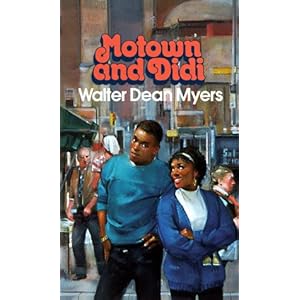
In my younger years and throughout my teens into adulthood, I began to read books by mostly African-American writers. (Although, I read my share of Babysitters' Club, Sweet Valley High, and Judy Blume books.) I started to learn Caribbean songs and to read poetry and gritty urban fiction by Walter Dean Myers, Rosa Guy, and Rita Williams-Garcia. Then I graduated to Alice Walker, Toni Morrison, Terri MacMillan, Zora Neale Hurston, and bell hooks. I also loved magazines like Essence, Ebony, TBY (Today's Black Youth, now defunct), World and Owl (as a child), Ms., Seventeen, Shape, Self, and others.


I also had a number of phases in which I read everything I could possibly read on particular topics including The Guinness Book of World Records, trivia, the Titanic, the human body, psychology, African-American leaders and pioneers, slavery, the Underground Railroad, urban romance novels, the Jacksons, circus sideshows, biographies, relationships, creative non-fiction like Malcolm Gladwell, faith, and self-help books. Often I read books about my own culture and Black people because I learned nothing about it in school but longed to know more and see faces and experiences that were more closer to my own.


Most recently, as you can tell through my reviews, my reading has incorporated books on healing, Blackness, cancer, cooking, alternative health, animal rights, spirituality, and veganism.

When I made the Funky Sexy Manifesto #17 Read One Book Each Month resolution, I did not think it was possible to do given my busy schedule. Returning to work, a daily commute in my car, self-care, appointments, and other commitments seemed to make this resolution seem impossible. However, a change in the method of how I got to work made this a possibility.

A few weeks ago, I thought of selling my car which is getting on in years. Before finalizing this decision, I did a week-long trial run to depend on public transit, taking the bus and subway wherever I needed to go. I did that for week and found it to be quite comfortable. I got a lot of reading done that week-- 1 or 2 books, as well as editing a chapter of my novel.

Toronto's newest subways... I travel in style. (When I'm on this one, I feel like I'm in another city... like Tokyo, London, or even Paris.)


So when I went back to driving my car for one day, it felt quite odd. I immediately felt less relaxed and I did not get any reading done. For these and other reasons (like financial? yes, financial, no more traffic tickets, speeding tickets, wrong turn tickets, paid parking, insurance, repairs, Ughhh!!!), I think my decision became clear. Reading helps me to expand the knowledge and understanding of my healing journey. It helps me to feel more empowered as I deal with challenges in my life. I also learn a lot from books and I love to learn. Reading is a political act. Add this to the fact that I have no cable for my television (no channels), I'm selecting materials that engage and challenge me intellectually. Reading is also political since my enslaved African ancestors would have been severely punished for reading or being taught to read. As a result, many slaves taught themselves to read with a page from the Bible or were taught in secret by other literate slaves or compassionate White people.

By taking public transit, I could read a lot more than one book each month. In fact, I have read at least one book each week. (As of today, I have finished my sixth book, Race & Well-Being, in one month.) At no other time in my professional life have I read such a large number of works in such a short time. Time has always been in short supply and no more is that true than when I am working.

I am blessed to live now in an area of the city where I can access reliable transportation so I could focus on my reading and not being stranded. (Been there, done that.)


I am also blessed to have access to an excellent library system, The Toronto Public Libraries, which is the largest in Canada and the busiest in North America. I hope to write books one day that are equally as helpful, inspiring, and informative as the ones I have been reading.

Saturday, December 17, 2011

Ebb and Flow

Ebb & Flow - Storytelling For Cancer Survivors from Hands On Films on Vimeo.


Ebb and Flow is a new short film about surviving cancer as a young adult. Co-directed by Mike Lang, a Hodgkin's Lymphoma survivor who was also featured in Wrong Way to Hope, Ebb and Flow is about the Five Phases of the cancer as story structure. You may recall in my post Stories Lead to Wisdom on July 22, I encouraged you to donate to the making of this film. I am proud to have contributed to this project (my name is in the credits at 13:10). I also see the familiar faces of survivors who I got to know through the YACC retreat, conference, and support groups. One face you may recognize is Christina Caverly who I featured in my post, Jaunt in St. John's. I admire her honesty about her cancer experience as well as her strength and courage. I agree with her that I feel that cancer has made me a better person which is a totally weird thing to say. I think it has given me permission to be vulnerable, establish boundaries, and take care of myself, as well as find a renewed inner strength. I applaud Mike and Bonnie Lang's efforts for sharing these stories. Great job.

Christina and I


Mike Lang

Thursday, December 15, 2011

Vex in the City: Part 17 Mela

Taste of the food >< >< >< The first time meraviglioso, quattro farfalle (splendid, four butterflies). The second time not the greatest preparation, due farfalle (two butterflies) .
Look of the food >< >< >< The presentation of the food was still appealing (unless you looked under my very scorched panini which was all black).
Environmentally-Responsibility >< >< >< There is reuseable cutlery and plates. I also like that clients may dine on the sidewalk in the summer time. I have also seen the owner open the large garage door to adjust the temperature of the restaurant which indicates to me that less energy is being consumed.
Health Savvy >< I did not see any print or online material about the benefits of eating food at this restaurant.
Hospitality/Warmth >< >< The first time I went in April, the owner/chef was so warm and friendly. In December, he was less social. The staff person was nice enough but she did not inquire about my meal or check on me.
Décor/Vibe >< >< >< >< The decor was clean, bright, fresh, and simple and fun. The orange walls, stools, and little knick knack crafts made Mela Vegetarian feel almost more European. The large window welcomes light and a view of the busy street. Mela is small and cozy.
Added Perks >< None
Ethical and Community-Minded >< >< There is a bit of information where groups and communities could place some information however Mela has no website and from what I can tell, no outreach.

Price (for a main course)
$ 0-$ 9 >< I have only been to Mela during lunchtime so I know that you can eat a meal for this price but it does not include a drink or dessert.

Sometimes one restaurant visit just does not give you a full picture of the quality of the food or the service. The first time I went to Mela Italian Vegetarian Magic Cafe was una bell'esperienza (nice experience). Mela serves both vegetarian and vegan options. The chef and proprietore (owner) called me signorina, got to practice my "broken Italian" (I studied Italian for four years in elementary school and one course in university), and the food was amazing. I felt like a valued customer as evident in one of my first blog posts here. So you could say I was looking forward to visiting Mela the next opportunity that became available. Dove e la magia? Where was the magic? I must say that my second and most recent visit to Mela was cosi-cosi (so-so). First of all, the owner did not deal with me directly but spoke through his staff member which I thought was rude. Okay, okay, he may have been busy this time but I was asking if I could take photos and review the restaurant. She said, "Yes". Then when I left, I expected a warm "good bye, thanks for your patronage" but that did not happen. Plus, the eggplant vegan panini that I had months ago paled in comparison to the one that I had on my second visit. First, the inside of the sandwich was a bit cold and then the bottom was completely black (charred) plus it was the last one. Thank God, my company was amazing-- the pastor at my church. She had vegetarian pie and really enjoyed it. I think I could have chosen to exchange the meal but it did not occur to me since I was so engrossed in conversation. C'mon Mela. This was your chance to score extra brownie points from me but I'm sorry that you missed the mark this time.


She had this loaf/pie which contained different veggies (I don't remember which ones). She really enjoyed it.


The beautiful eggplant parmigiana (vegan version) panini which looks a little well-done from the top...

but burned to a crisp on the bottom.

Wednesday, December 14, 2011

Pyramids of Power


Pyramids of Power: An Ancient African Approach to Optimal Health by Dr. John Chissell, both the tape and book, were donated to my school recently in a big box of other gems. I borrowed this book to find out what exactly is an ancient African approach to healing. The book is divided into a number of chapters with ones focusing on Optimal Health intellectually, emotionally, physically, spiritually, and socio-economically. African-American author, Chissell , does an effective job of developing a healing philosophy which combines his medical knowledge with Ancient Egyptian/Kemetic healing practices and alternative healing. He describes the Pyramids of Power which are a series of triangles which can do anything from promote healthy relationships, reduce illnesses, and increase well-being. I read this book and although it is described as "African" in its approach, I felt a bit of "deja vu", as in "I read this before"... "it sounds a lot like...", etc. In less than 100 pages, Dr. Chissell promotes a healing practice which endorses raw veganism, forgiveness, meditations, and a "healthy" criticism of the medical system.

In the first chapter, he describes his own health crisis, a diagnosis of malignant hypertension, which led him to his philosophy. Reading the name of this condition, I became confused since I only know "malignant" to mean cancerous and "hypertension" as high blood pressure. Confused, I thought "cancerous high blood pressure" was impossible but thanks to wikipedia, I understand that Chissell's ailment "is severe hypertension (high blood pressure) with acute impairment of an organ system (especially the central nervous system, cardiovascular system and/or the renal system) and the possibility of irreversible organ-damage". Chissell had gone the medical route by taking an ever-increasing strength of prescriptive medications. However in what would be considered a "spiritual awakening" while a medical intern, this physician ended his agnosticism which led him to a path where he believed in " a divine order" (Ma'at) that eventually led him to seriously question and trust in the healing capabilities of his body. What I appreciate is that despite his training in medicine, he was still able to critically view the health care system in which he worked, dubbing it a "sick care system" since he felt that too much emphasis was being placed on treating illnesses and not preventing or curing them. Very rare is it to find a doctor trained in Western medicine who actually sees the limits of its practice and embrace other philosophies. Like Queen Afua, contributors to Sistah Vegan, Kris Carr, and so many others which I have reviewed on this blog, Dr. Chissell sees food as medicine and extensively explains his medical reasoning for this through his ABC system.
ASK
ASSUME
ACCEPT
BE
CHOOSE
COLLECT
COOK

Nevertheless, through his dietary changes, exercise, stress reduction, and other lifestyle adjustments, Dr. Chissell was able to reverse his illness. I appreciate that he also provided a much more comprehensive explanation of Ancient Afrikan/Kemetic beliefs and practices than what I found in Sacred Woman by Queen Afua. Although I do some broader parallels with Christianity and other belief systems, I am still unclear on a lot of specifics in Ancient Afrikan/Kemetic philosophy including the deity (Amun) and energy (Nun). The Pyramids of Power are also a bit unclear, abstract, and convoluted. (Near the end of the book, I began to feel a bit lost.) He does provide a lot of description about the different pyramids however, I felt a bit lost and overwhelmed with all this information. There are diagrams but they are completely separate from the descriptions and that does not help my comprehension. What I do love is that this writer grounds himself in his ancestry and place of origin which lends to his lens and way of looking at the world. He reminds me that my African ancestors, as do many other indigenous peoples, looked to nature for clues about healing. By looking at how animals behave, we can gather clues about how one may live to gain optimal health.

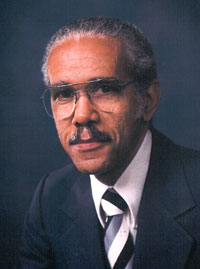
John T. Chissell, MD


Coming up next: Race & Well-Being: The Lives, Hopes, and Activism of African Canadians by Carl James et al.

Tuesday, December 13, 2011

Funky Sexy Manifesto # 60 Apply for my MFA, Part 1


Okay, okay, I must admit, I am a bit of an aficianado for school. I'm a self-confessed keener, better yet, nerd. I love school and learning so much, it is no wonder that I find myself today in the profession of teaching with 3 university degrees under my belt. Something, I love even more than being in front of the classroom and that is being on the other side. I love to be a student.

I also love to write. I feel that writing is my first language and if I were stuck on a deserted island and could only bring two things, they would be my journal and my pen. I began to illustrate and write picture books at the age of 7. I started keeping a journal at age 9 and now I have more than 30. At 10, one of my picture books was put on display at the head office of my school board. I began to write my first novel during the summer after grade 7. At my grade 8 graduation, I received awards for both Art and English. After conceptualizing a newspaper for years as a child, I wrote articles and an advice column in my high school newspaper and then continued in my college, university, and community publications. By an English teacher, I was encouraged to enter a playwriting competition for teens (which I lost) but I did direct one of my plays onstage in high school. At the age of 20, I completed an internship at Psychology Today magazine in New York. Throughout my illness, I have been writing faithfully in my journal and now to an audience of 32, 000+ through this blog. Last summer, I attended a writing retreat. I took a writing class two years ago as well as this fall. I write songs for my students to sing. Recently, I have also accepted a role as the new Thry'vors News Editor and Newsletter Committee Chair for Thyroid Cancer Canada. I live, eat, and breathe writing and at times in my life, I forgot that.

Throughout my healing journey, no matter how tired or drowsy I felt, I always mustered the energy to write. Writing is my release. I dive into new journals with such a voracity and passion that I forget the time, fatigue, my hunger, and pain. Many a time during my recovery, I found myself exhausted after writing a piece but not feel the fatigue during the act. Despite all of my artistic pursuits which include music and visual arts, writing has been the most honest and fearless means of expression for me. I am much more likely to "bare all" in my writing, exposing my words to audiences with boldness and comfort than in other areas of my life. My writing is a window into my soul.

So you may beg to ask, why did I not pursue writing professionally? I did not take it seriously enough, maybe. I did not think I was good enough, maybe. I did not know that I could make a living from writing or how to make a living from it. My immigrant parents encouraged me to follow more practical pursuits. I was a bit of a rebel for becoming a teacher and not a nurse as was expected. In fact, when I dated a writer for a time, I was asked by my mother, "Can you make a living at that?" I guess, God has other plans for me.

It has become quite clear to me that I wish to devote more time to perfecting my craft and fulfilling my childhood dream of writing books that get published.

In The Monk Who Sold His Ferrari, Sharma describes people who are truly happy as those who find and work at their bliss. There is no doubt that my fiance's bliss is in music. Now I know I've found mine and it is definitely writing. I feel like I can not afford to waste any time but must pursue this dream.

So I decided to apply for a Master of Fine Arts in Creative Writing at the University of British Columbia. This program is ideal since it is an optional residency meaning that students can choose to attend the writing residency in Vancouver, British Columbia while the other components are instructed online. So the practical side of me would be really happy since I could continue teaching on the other side of the country while completing my MFA and I could do the residencies over the summer. Within a few weeks of making the decision to apply, I managed to gather my reference letters and documents, submit 3 samples of my writing to UBC, and pay all of those fees.

For the last few months, I have waited for a response and I finally received one this week.

I did not get in.

My first official rejection as a writer. (Now I can join the club of countless rejected writers.) I am not completely surprised by the outcome. I think that my application was a bit rushed and I could have spent more time editing the submissions. Ironically, I can tell you that this letter actually makes me want to apply to the program again (as well as others). The rejection letter is hopeful and full of promise and I do not feel discouraged by it but compelled to try again. The letter even has a type-O (it's December 10, 2011 not 2010) which tells me that "Hey, no one is perfect. Not even the Chair for the Creative Writing program who writes rejection letters." So maybe there is a chance for me at an MFA in Creative Writing. All jokes aside, I am so glad that I at least applied to this program ("good old college try") and maybe this is not the right time for me to do an MFA, but it will be my turn one day.

UBC Creative Writing
Optional-Residency MFA Program
December 10, 2010


Name: Blue Butterfly

Dear Blue:

I am writing to let you know that unfortunately we are unable to offer you a position in the 2012 UBC Optional-Residency MFA program. We are only able to accommodate a small percentage of the many applicants we receive each year. The quality of the applications is always high and faculty have to make some difficult decisions. We can usually only accept 20 to 25% of applicants each year.

I can tell you, however, that your portfolio made our shortlist this year. This list consists of approximately 40% of the applications received and manuscripts on the shortlist are those which our faculty feel have a great deal of promise. From this shortlist, the smaller acceptance list is generated.

Your application was read and evaluated with care by our faculty members. That being said, we do not pretend to be the final arbiter of what is excellent or successful writing. Evaluating writing is always a difficult, subjective process, and many writers who have been turned down by a publisher, institution or writing program have gone on to great success.

Our decision definitely does not close the door to another application at a later date, and indeed we encourage shortlisted students to reapply. Every writer grows by revising old work and writing new material. Should you wish to try again, we would welcome your application; to make this easier we will keep your transcripts and related application materials on file for one year.

We regret that we cannot provide individual students with information about why they were not accepted; it is not uncommon, however, that students with strong work in one genre but weaker work in other genres are not accepted – we do look in particular for ‘well-rounded’ portfolios and faculty from all our genres read the applications with this in mind.

Sincerely,

Chair
UBC Creative Writing

Monday, December 12, 2011

Kicking Cancer's Ass Interview with Rob Hawke


Imagine kicking the ass of cancer? What would that be like? Would it require steel-toed boots? Or could you use your barefoot like in the martial arts? Well, after reading Kicking Cancer's Ass: A Light-Hearted Guide to the Fight of Your Life by Rob Hawke, you feel equipped to kick anything.

You may recall that I promoted Rob Hawke's launch for Kicking Cancer's Ass a few months ago here. Well, I contacted Rob through e-mail and asked if I could interview him for my first-time video interview on this blog. He said: YES!!!!

This was all before I had a copy of the book. Now that I have read Kicking Cancer's Ass, I must say that this was an extremely accessible and useful guide to cancer. First of all, it was refreshing to read something by a fellow thyroid cancer survivor which is so rare. (Equally rare are cancer stories by Canadians. So being written by a Canadian thy'ca survivor, I guess you could say that this book is 1 in a million.) Like me, Rob Hawke was diagnosed with papillary thyroid cancer and, unlike what the doctors tell you, it's not easy. As Rob said, it's not like the doctors are "wanting to sign up" for thyroid cancer. Rob also had a difficulty with going through thyroid cancer both as a survivor and a supporter. Second of all, I love reading stories about survivors by survivors. Kicking Cancer's Ass is not only a survivors' tale but arms the reader with tools on how to face the "fight of your life". He discussed many themes which resonated with me including self-blame for cancer diagnosis, naturopathy and alternative methods, and a variety of scripts including one asking for help. (Come to think of it, looking back, I don't think I asked for enough help. I'm sure it would have come sooner but I agree with Rob, it is tough to ask for help.) Rob even wrote a section for the caregivers which comes from experience, since within a year of his diagnosis, his girlfriend at the time was also told she had thyroid cancer. (You can't make this stuff up, people!) Make sure you pick up Kicking Cancer's Ass to make it part of your cancer-fighting aresenal. You can find it at the bookstores listed here or on Amazon.

We finally did get to sit down and conduct the interview which you can watch here.


We conducted this interview at the Free Times Cafe in Toronto. Being my first video interview where I was asking a lot of the questions and talking about my cancer experience, my inner-critic was operating in full effect when I watched it for the firs ttime. (I think I was a little nervous too.) Nevertheless I think the interview was successful. This conversation is Part 1 of a dialogue between Rob and I about thyroid cancer survivorship and cancer experience. (We had to switch locations since the band showed up so Parts 2 and 3 were filmed at a coffee shop down the street. Unfortunately the footage for those interviews did not come out quite so well.) I would love to hear your feedback.

Robert Hawke, Improv and Sketch Comedian/Writer/Speaker